
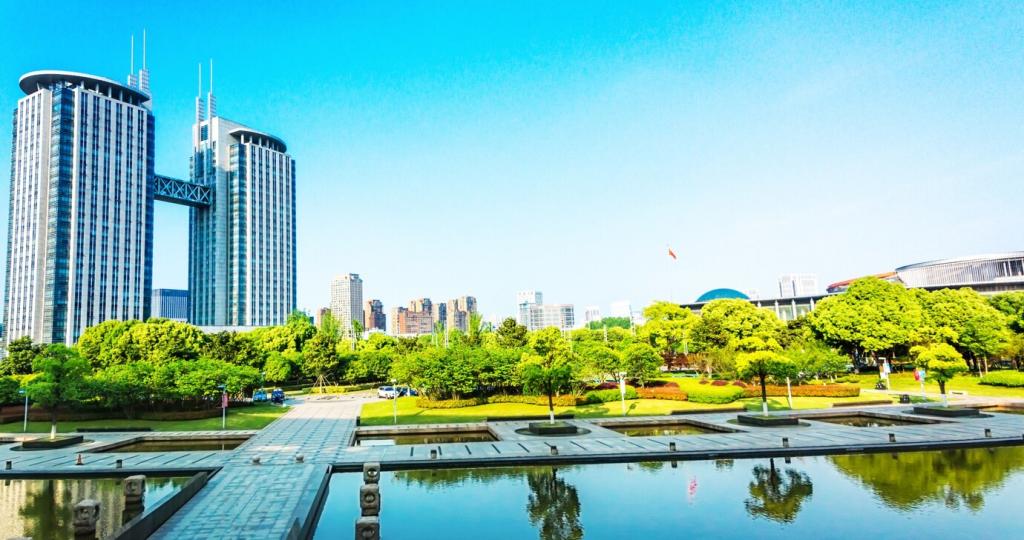
Eco-Friendly Urban Landscaping: Greener Cities, Happier Lives
Chosen theme: Eco-Friendly Urban Landscaping. Step into practical ideas, heartening stories, and science-backed strategies for transforming streets, rooftops, and balconies into thriving, low-impact green spaces. Share your plans in the comments and subscribe for weekly inspiration and actionable guides.
Foundations of Eco-Friendly Urban Landscaping
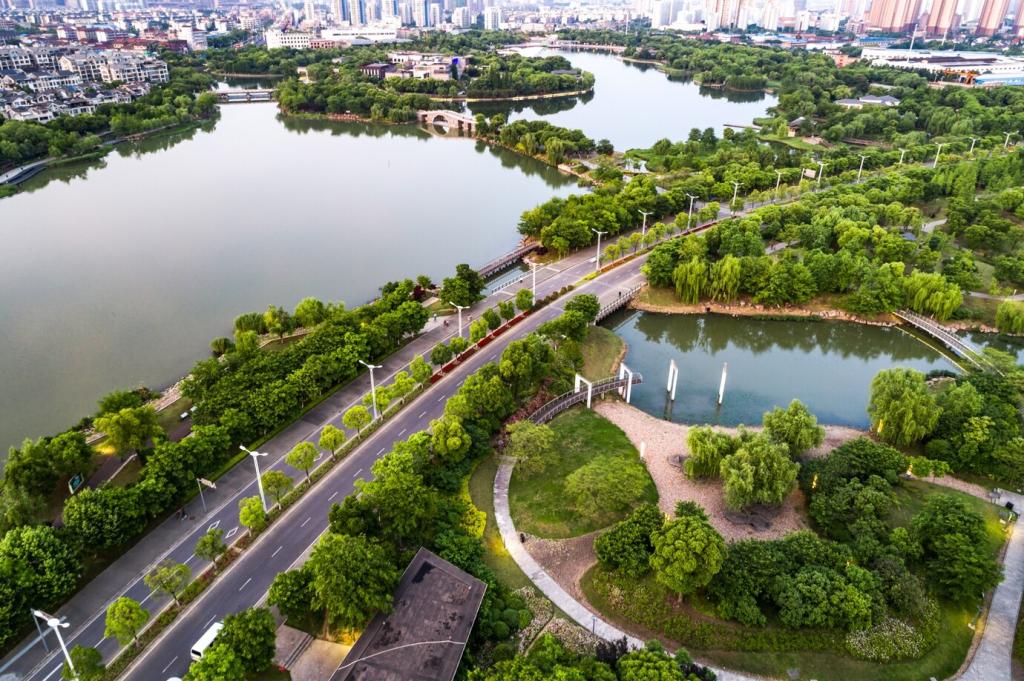
Native plants evolved with local climates and soils, needing less water and fertilizer while nourishing butterflies, bees, and birds seeking scarce habitat in paved neighborhoods. Start small with a patio pot to witness immediate pollinator visits.
Foundations of Eco-Friendly Urban Landscaping
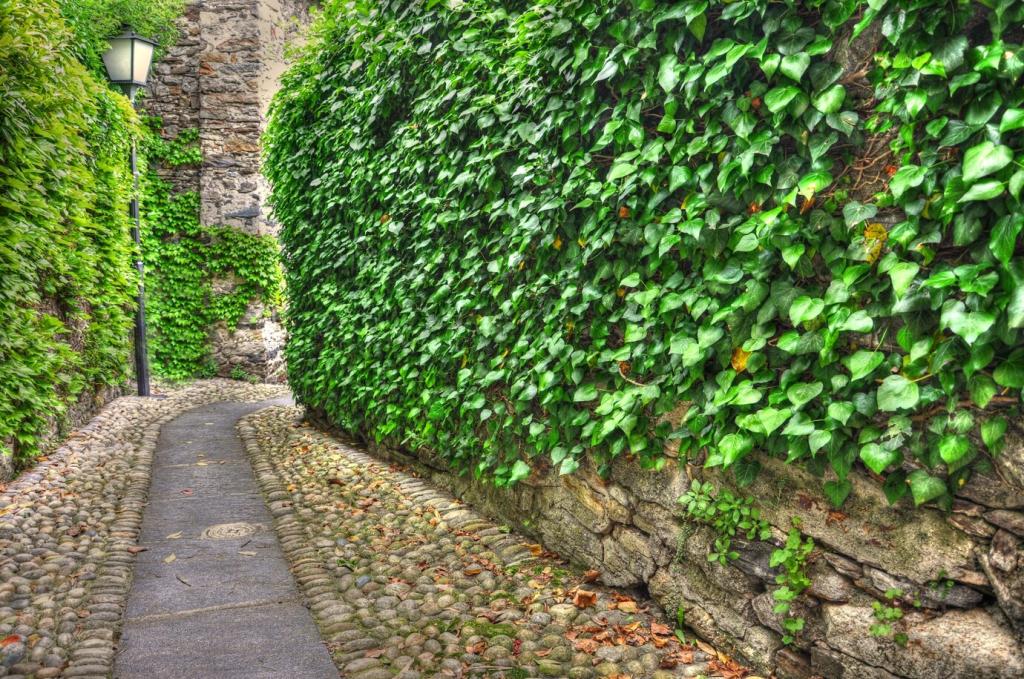
Healthy urban soils begin with compost and leaf mulch, fostering fungi and microbes that stabilize nutrients, retain moisture, and reduce runoff. Turn kitchen scraps into a nutrient loop, lowering costs and closing waste cycles right at home.
Balcony Forests and Containers
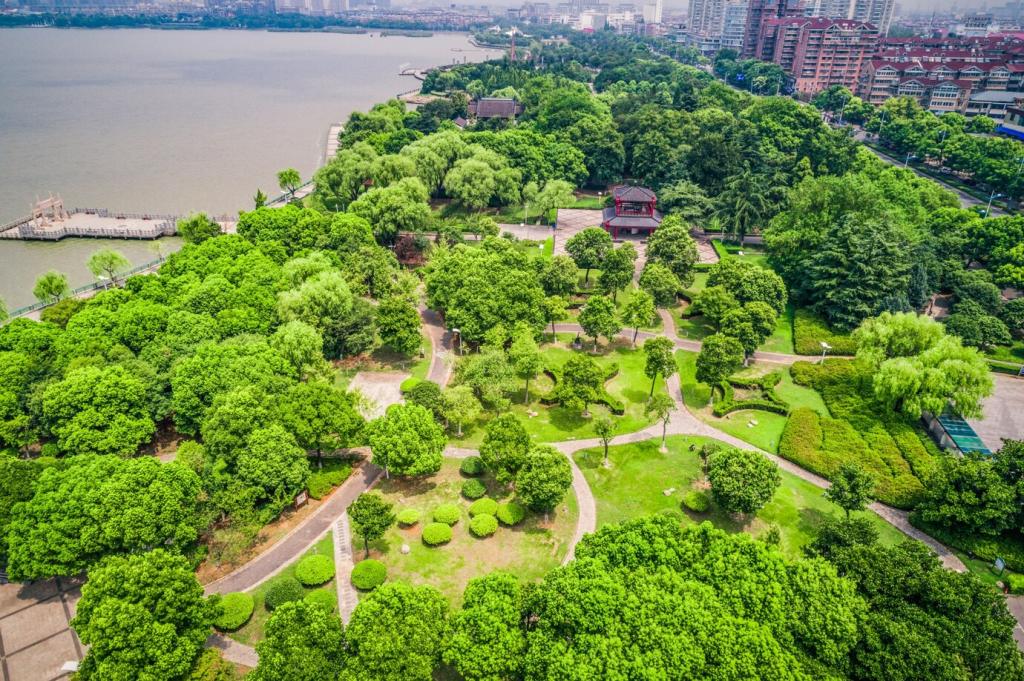
A reader turned a narrow balcony into a micro-forest with dwarf trees, herbs, and native perennials layered by height. Deep containers, quality compost, and drip stakes kept everything thriving while hummingbirds visited daily at sunrise.
Pocket Parks and Parklets
Tactical urbanism transforms a parking spot into a pocket park with planters, benches, and pollinator flowers. These tiny sanctuaries cool sidewalks, invite conversation, and prove that a single car’s footprint can become community green space.
Green Roofs and Living Walls
Lightweight substrates, drought-tolerant natives, and modular trays make green roofs feasible on garages and sheds. Living walls insulate facades, hush traffic noise, and provide habitat corridors, especially when paired with bee hotels and integrated irrigation systems.
Create continuous bloom from early spring to late fall with overlapping native flowers. Avoid pesticides, leave some bare soil for ground-nesting bees, and connect yards and balconies into a nectar pathway across the neighborhood.
Biodiversity and Urban Wildlife
Community, Policy, and Care Without Chemicals
Adopt-a-tree rings, monthly weeding meetups, and shared compost bins keep public beds healthy. Clear roles, rotating tasks, and celebratory harvest days sustain momentum while strengthening friendships across different ages and backgrounds.
Community, Policy, and Care Without Chemicals
Before planting curbside, review sightline rules, utility mark-outs, and permissible species lists. Bring maintenance plans and stormwater benefits to your HOA or council meeting to build support and accelerate approval for greener streetscapes.
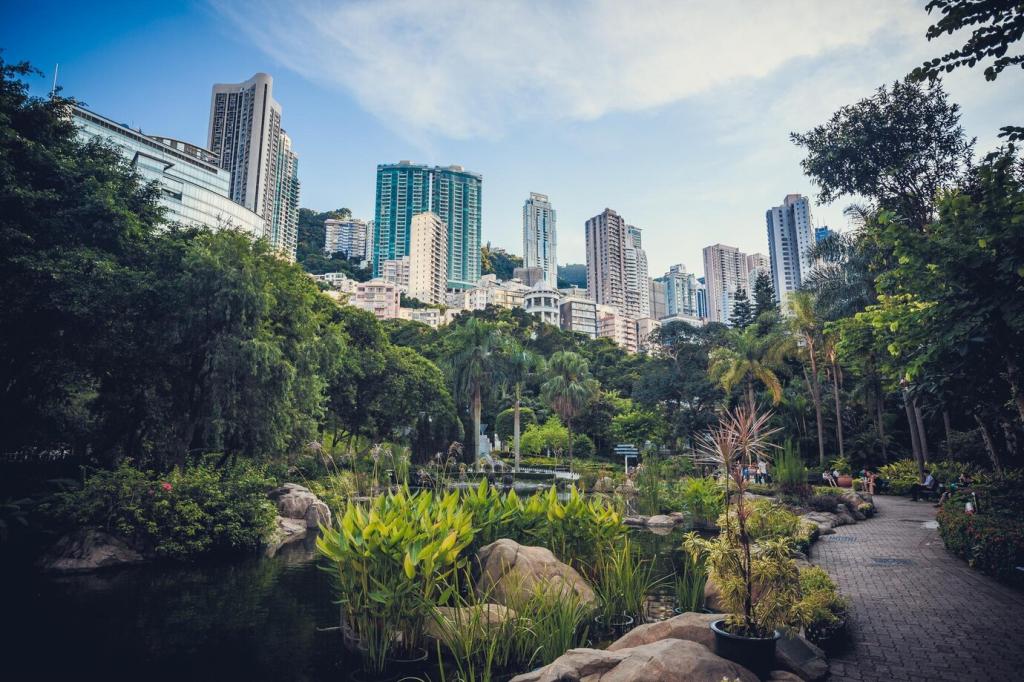
Climate Resilience and Cooling the Heat Island
Shade Strategies for Hot Streets
Prioritize broad-canopy street trees, vine-covered pergolas, and reflective, light-colored surfaces. Shade reduces pavement temperatures, cuts indoor cooling costs, and invites neighbors outside again, especially when paired with public seating and drinking water access.
Flood-Wise Planting and Elevation
In flood-prone alleys, raise beds slightly, plant water-tolerant natives, and direct overflow to vegetated basins. Layering roots at multiple depths increases infiltration and keeps soil stable during intense, short, urban storm bursts.
Measure, Share, Improve
Track soil moisture, bird visits, and canopy shade with simple apps and thermometers. Post your results, tag our newsletter, and help neighbors replicate what works so the entire city becomes cooler and more resilient.