


A City in Bloom: Green Roofs and Urban Biodiversity

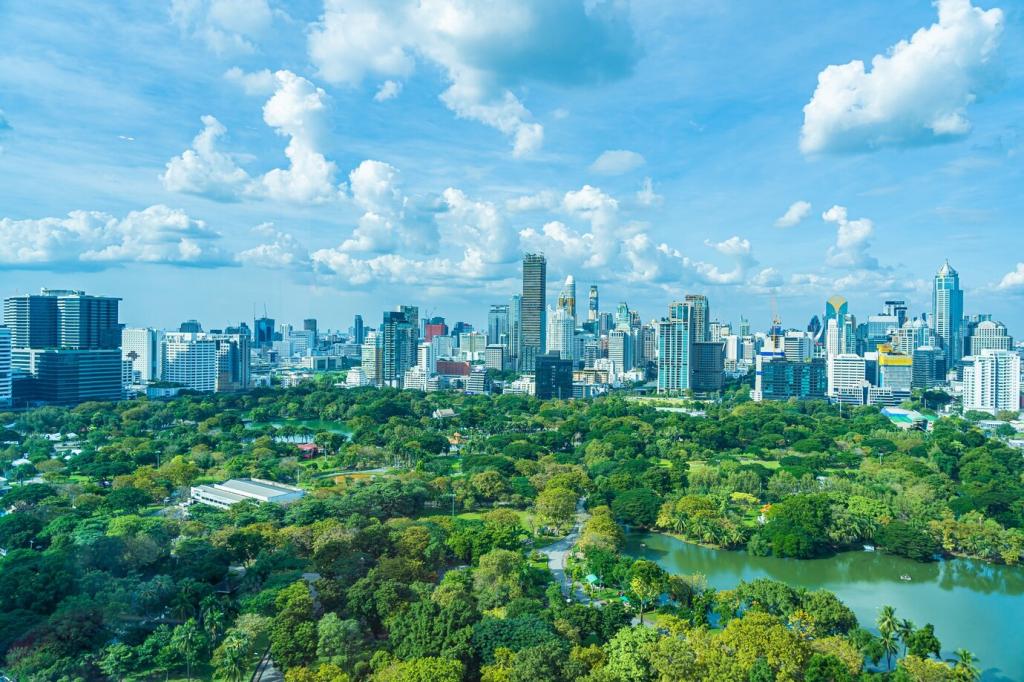
Chosen theme: Green Roofs and Urban Biodiversity. Imagine rooftops humming with bees, grasses waving above skylines, and neighbors counting butterflies between chimneys. Join us to explore living roofs that cool cities, welcome wildlife, and inspire community action—subscribe and grow with us.

Why Green Roofs Matter Now

Vegetated roofs reduce heat by shading and evapotranspiration, lowering roof surface temperatures by dozens of degrees on scorching afternoons. Residents often report gentler indoor climates, fewer hot spots, and quieter nights when air conditioners finally get a break.

Biodiversity Tales from the City

On a twelfth-floor roof, a child spotted monarchs nectaring on blazing star during their first migration season after planting. The family now maps blooms weekly. Share your first wildlife sighting, and let’s celebrate small beginnings that ripple across neighborhoods.

Biodiversity Tales from the City

A resident set out native grasses and a shallow water dish. Soon, house sparrows arrived—followed by native song sparrows using seedheads in winter. Nest-safe corners and gentle maintenance turned a bare ledge into a dependable refuge through tough weather.

Biodiversity Tales from the City

Three adjacent buildings coordinated bloom timing and plant height to guide pollinators between a park and the waterfront. A simple group chat, shared seed orders, and monthly photo walks turned scattered pots into a lively aerial corridor buzzing with life.

Data and Evidence to Guide Decisions

01

Temperature and Energy

Studies report reduced surface temperatures and lower cooling demand after installing vegetated roofs, with building energy savings varying by climate, insulation, and plant cover. Even modest plant layers can cut peak heat gains and smooth daily indoor temperature swings.
02

Runoff and Water Quality

Green roofs often retain a substantial portion of annual rainfall and delay peak discharges, improving combined system performance. Filtration through substrate and roots can reduce particulate-bound pollutants, supporting cleaner waterways during storm events when systems are most stressed.
03

Species Richness Metrics

Biodiversity monitoring shows increases in bee abundance, butterfly visits, and arthropod diversity on vegetated roofs compared with bare surfaces. Simple protocols—transect walks, timed observations, and photo vouchers—let residents track change. Join our upcoming community count and publish your results.

Climate and Context Matter

Use deeper substrate, tough natives, and high summer bloom diversity. Consider temporary establishment irrigation and reflective edging to reduce heat loads. Mulch lightly to protect soil life, and monitor moisture with inexpensive sensors that prompt timely, efficient watering.

Climate and Context Matter

Prioritize drainage layers, freeze–thaw durability, and evergreen structure for winter habitat. Keep seedheads for birds and spring emergence. Plan safe maintenance access when surfaces ice over, and record snowmelt timing to refine plant selections year by year.
The Future of Urban Nature

Pairing solar panels with vegetation cools panel surfaces, potentially improving output while creating shaded microhabitats that favor pollinators. Thoughtful panel spacing, cable management, and plant selection keep maintenance easy and wildlife thriving together above the streets.
Watchdgapp
Privacy Overview

This website uses cookies so that we can provide you with the best user experience possible. Cookie information is stored in your browser and performs functions such as recognising you when you return to our website and helping our team to understand which sections of the website you find most interesting and useful.