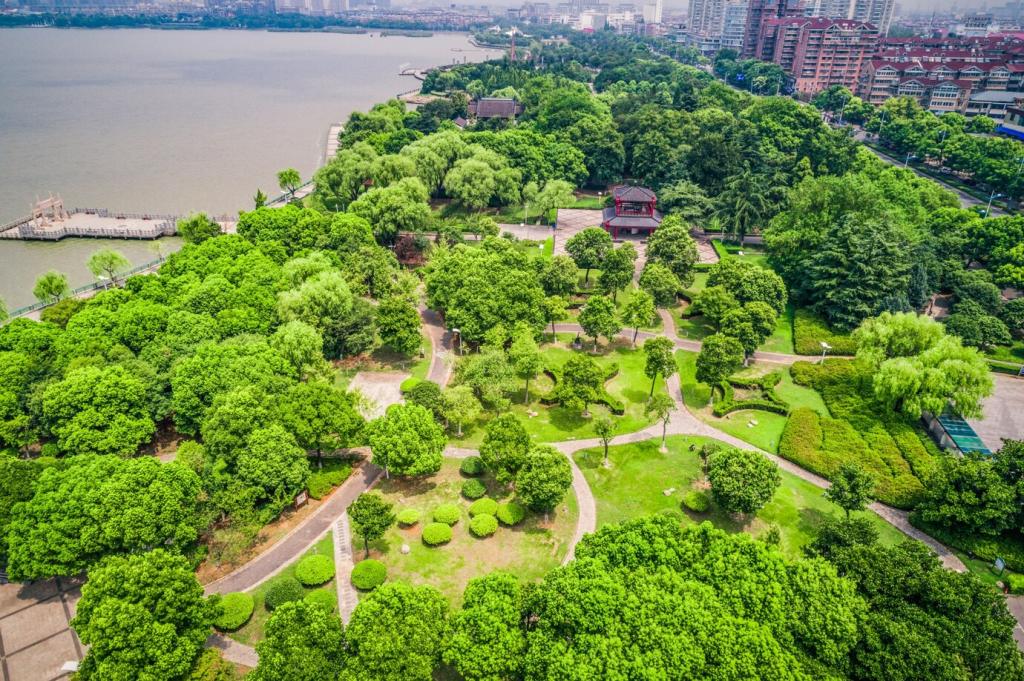
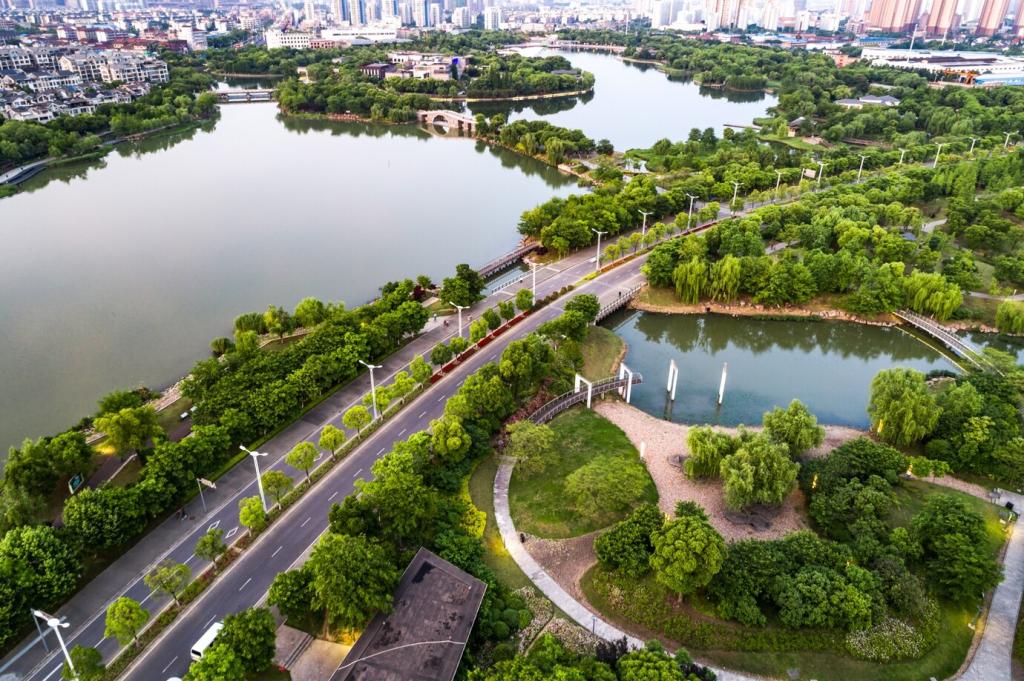
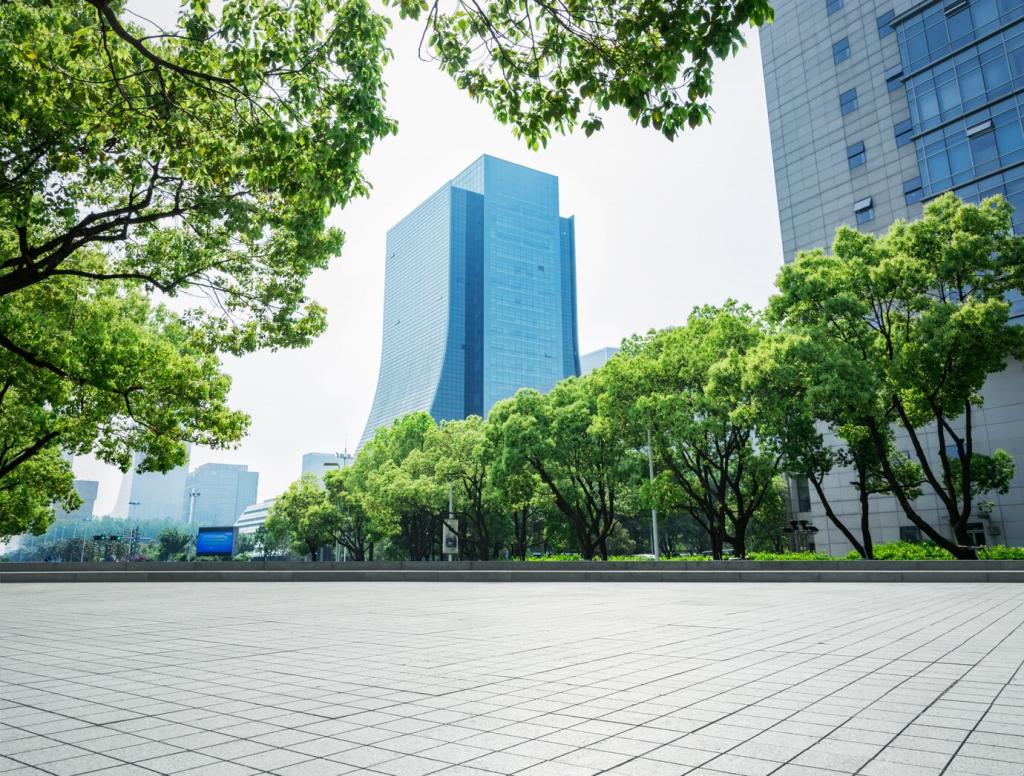
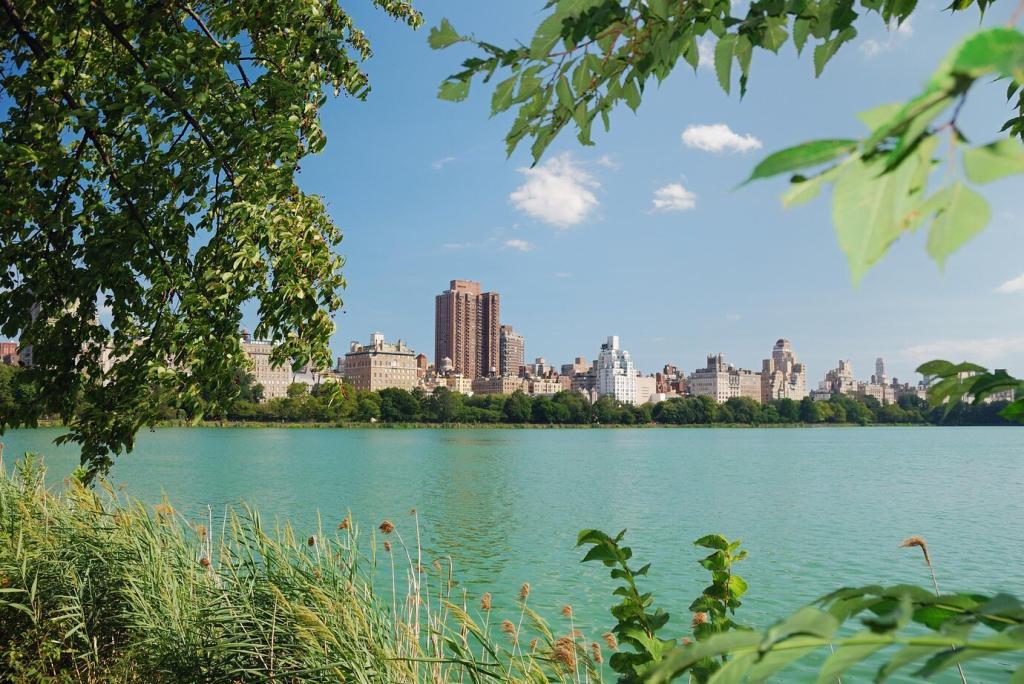
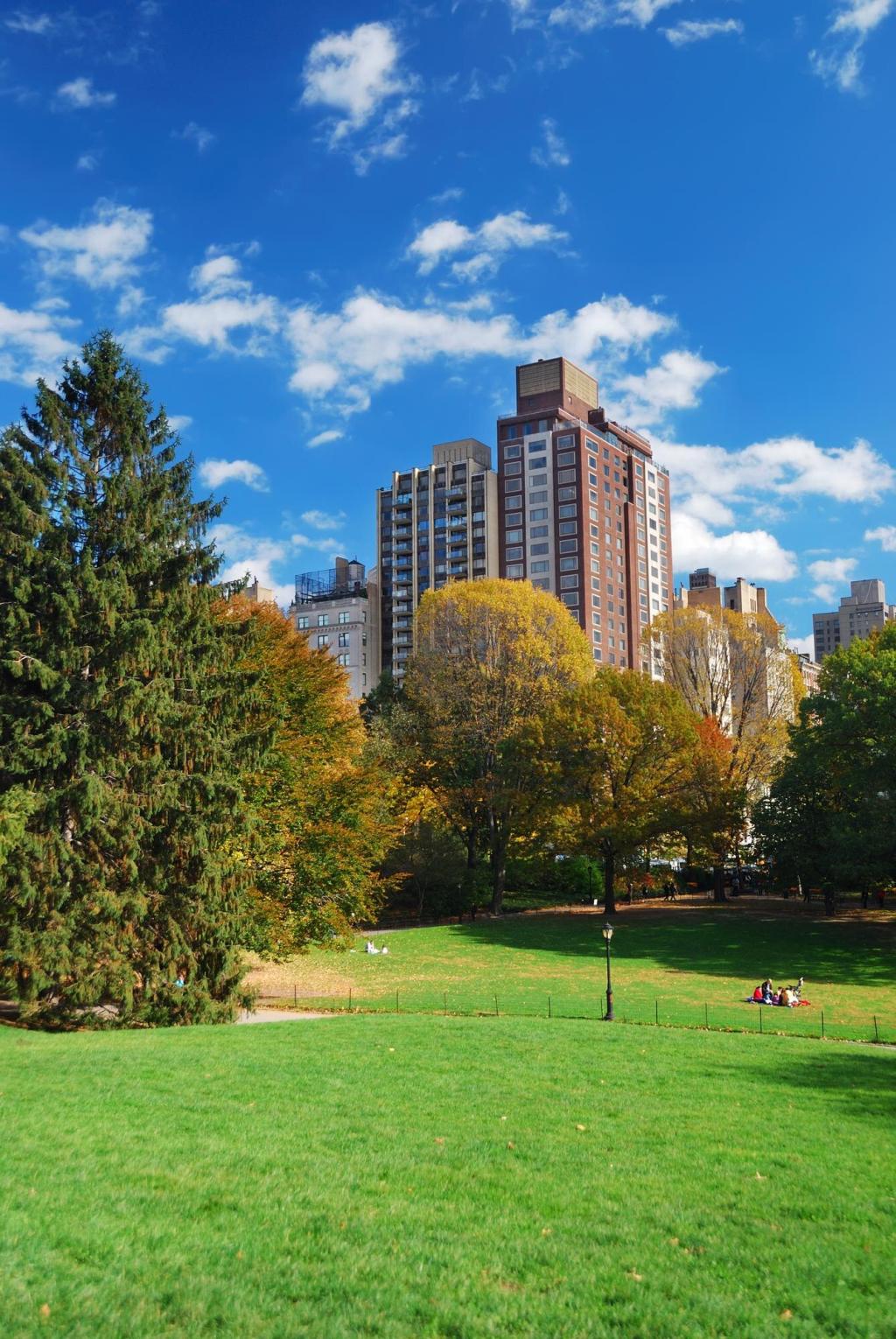
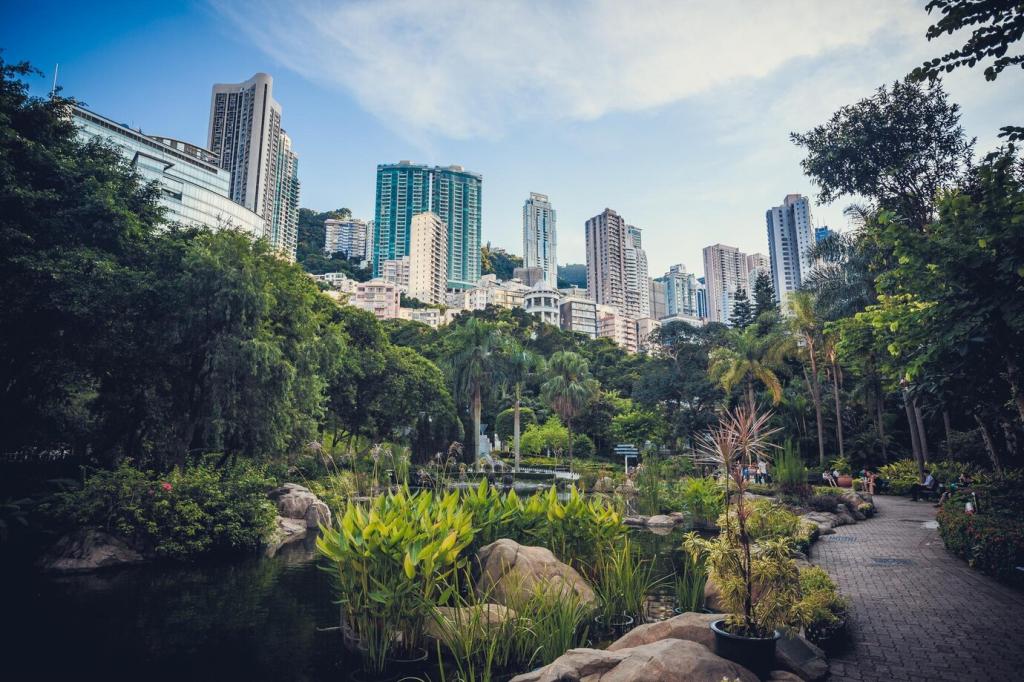
Chosen theme: Creating Urban Green Spaces. Step into a city where pocket parks soften concrete edges, rooftops bloom, and neighbors gather under dappled shade. Today we explore practical steps, heartfelt stories, and data-backed strategies to green the streets we share. Join the conversation, subscribe for fresh ideas, and tell us where your block needs a little more green.
Why Green Changes the City
Trees shade asphalt, cutting surface temperatures by several degrees and easing heat waves that disproportionately affect vulnerable neighbors. Leaves trap particulate matter, while understory plants slow dust and reduce noise, making daily commutes kinder on lungs and nerves.
Rooftops that grow, not just cover
Lightweight growing media, windbreak trellises, and shallow-rooted natives can turn a flat roof into a pollinator pit-stop. Always confirm structural capacity and drainage, then start small with modular trays to learn what thrives in your building’s microclimate.
Pocket parks from leftover lots
Interim use agreements can unlock fenced, idle parcels for benches, trees, and play. A single shipping pallet of mulch and donated perennials creates immediate charm, while flexible layouts let the space adapt as community needs evolve over seasons.
Curbside habitats and green corridors
Bioswales, tree pits, and planter bump-outs stitch together continuous green routes along sidewalks. They slow traffic, soak stormwater, and guide butterflies across blocks. Ask your city about permits, then rally neighbors to adopt and proudly maintain their segment.
Water-Wise Greening That Works With Storms
Rain gardens and bioswales that soak
Shallow basins planted with hardy natives capture roof and street runoff, filtering pollutants before water reaches drains. Right-sized inlets, deep mulch, and overflow paths prevent ponding, while seasonal blooms keep the landscape inviting through unpredictable weather.
Harvesting rain and reusing greywater
Barrels and cisterns cut irrigation demand during dry spells. Pair storage with drip lines, soil moisture checks, and simple first-flush diverters. Follow local codes for greywater use, and train volunteers to monitor valves, filters, and flow after storms.
Porous pavements and tree trenches
Permeable paths let water percolate into engineered gravel layers that feed adjacent trees. Linear tree trenches move stormwater along a block, hydrating roots while protecting sidewalks. These systems quietly manage floods and build shade without sacrificing walkability.
Community Power: People Make Places
When Ms. Patel rallied kids to paint planters and plant sunflowers on an abandoned corner, litter dropped, and foot traffic rose. Her Saturday tea table became a hub where elders shared recipes and pruning tips between laughs.
Water deeply in the first two summers, mulch annually, and prune during dormancy for clear structure. Rotate tasks among volunteers, post checklists on site, and keep tools labeled. Predictable routines protect plants and prevent burnout in busy months.
Care Over Time: Keeping Green Alive
Choose drought-tolerant, disease-resistant natives and diversify species to avoid catastrophic loss. Mulch to buffer heat, monitor for pests weekly, and intervene early with gentle controls. Shade cloths and temporary water bags carry young trees through harsh spells.